

Peak Performance through Inner Excellence
Whether it is high level athletic performance, creating the best environment for business success or simply personal satisfaction and well being, Super Tao is about helping people use their minds in complementary ways instead of allowing their minds to use them.


BESTSELLING AUTHOR
IN MULTIPLE CATEGORIES
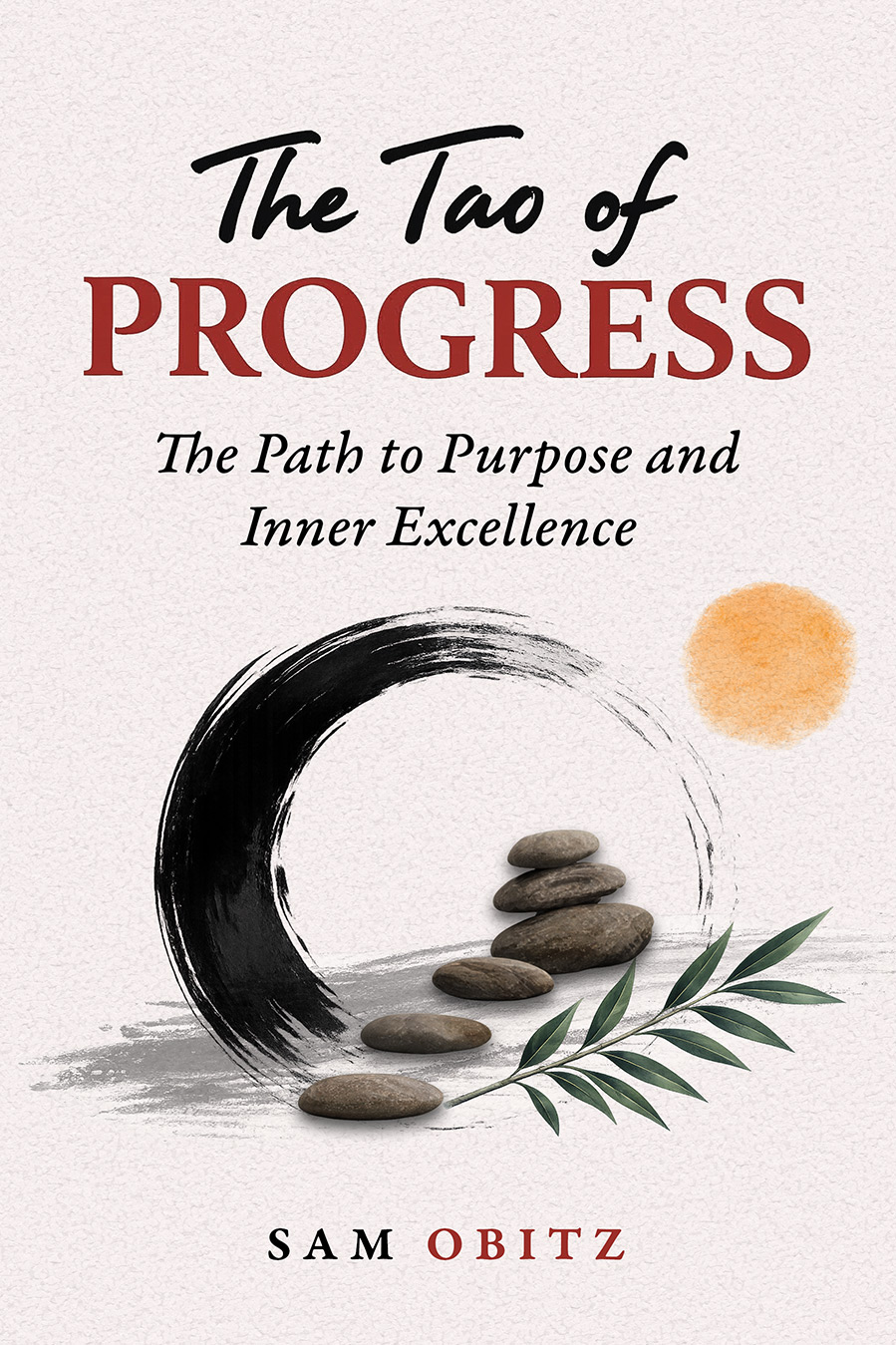
THE TAO OF PROGRESS
The Path to Purpose and Inner Excellence
Success is not built in moments of inspiration. It is built in moments of discipline.
Jordan believed he needed a breakthrough- a better opportunity, a clearer path, a different set of circumstances. What he needed was something far less comfortable.
When he meets a quiet mentor known only as Coach, Jordan is forced to confront the beliefs shaping his life. What unfolds is not a lesson in motivation, but a reckoning with responsibility.
Through setbacks, discipline and hard-earned self-awareness, Jordan discovers that excellence is not a destination to be reached. It is something practiced daily.
THE TAO OF PROGRESS is a modern parable about the quiet work of becoming- about choosing responsibility over excuses, replacing comfort with discipline, and discovering where real progress begins.
For anyone who knows they are capable of more.
The breakthrough you are searching for may not be somewhere ahead of you. It is closer than you think. It may be waiting in the only place it has ever existed.
The Mind Side Blog
Guidance and support for creating a life full of excellence

Like many things on the internet and social media, the mantra of getting 1% better every day sounds great. It is catchy, and even uses impressive math to assert the benefits you will receive. It’s an easy concept to grasp and sounds simple, which is ultimately what the average person is looking for.
However, high achievers know there are no shortcuts or hacks.




If there’s one thing I’ve learned through the ups and downs of life, it’s that growth isn’t about grand gestures. It’s about the small, daily actions that shape who you become over time.
We’re conditioned to think that progress is tied to big wins or monumental achievements, but in reality, the magic happens in those seemingly mundane moments where you choose to show up—even when no one’s watching.
